
 Transaction risk intelligence
 Automated supplier statement reconciliation
 Supplier risk intelligence
 Managed AP recovery audit
 Supplier file performance review
 Forensic risk analysis
 Consulting and bespoke reporting










Updated September 2026
Statement reconciliation has a huge impact on your ledger accuracy, supplier relationships and duplicate identification. So, you’ll want to understand how to get the most out of it. Our blog dives into how to use your statement rec reports to create effective change.
Statement reconciliation reports to assist in process improvement?
Transformation and efficiency improvements are at the top of your organisation’s agenda right now. There’s pressure for finance teams across the globe to do more with less. To be more accurate, and more effective. The 2026 Hackett Group finance key issues report revealed that accelerating finance digital transformation and cost optimisation were among the top 10 finance priorities for finance leaders. So where do you start when you’re trying to get the most out of your team and improve on costs and processes? We like to start with reports. Specifically, statement reconciliation reports.
We know that statement reconciliation holds the key to more accurate ledgers, fewer duplicate invoices, and happier suppliers. So, in leveraging your reports on statement reconciliation, you can bring positive transformation in those areas.
Understanding Vendor Statement Reconciliation
Vendor statement reconciliation is an incredible driver for high efficiency and accuracy in accounts payable (AP). By rectifying errors and duplicate invoices, you contribute to an increased ledger accuracy. Automating the process and completing most of your supplier statement reconciliations allows for an increase in ledger reliability. But statement reconciliation fixes the problems. You address them head on and transform your ways of working by evaluating your notes and reports.
Utilising Statement Reconciliation Reports
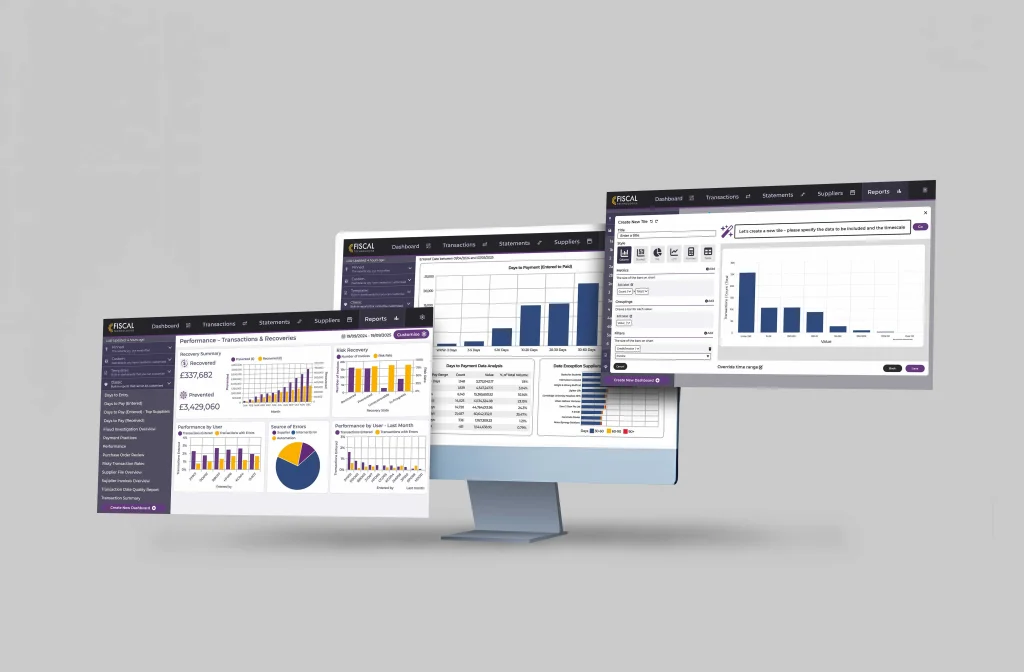
Turning your supplier statement reconciliation reports into actions means looking at your data in different ways. You’ll need to dive deep into how the process works for you. This means ensuring you have the right reports.
Workflow report
See your vendor statement reconciliation progress. How many suppliers send statements and how many are stuck because they don’t? Choosing a few suppliers to prioritise working with on this could mean wins all around. Make sure you begin with those that you spend a lot with, or use often. If your team handle the matter in an understanding way, your supplier will feel valued and you’ll have more oversight.
Match rate
Your match rate report allows you to see how accurate your statements are, compared to your ERP. If you compare the match rate of each supplier, you’ll be able to quickly pinpoint an inconsistent supplier.
Your AP teams’ notes are just as important as your reports here. Use them in conjunction with your match rates report to get to the bottom recurring errors more quickly. You may find a recurring issue appearing in their notes. Or an early note identifying an issue that was never solved.
Statement versus ERP value
This report is an easy way to see the discrepancy between your ledger and your statements so you can prioritise team actions. Suppliers that have the highest values will have a greater effect on your accuracy and working capital. Again, when comparing suppliers, suppliers with high value will be easy to spot.
Best practices for process transformation in accounts payable
To maximise the impact of statement reconciliation, it’s important to keep looking at your data. Consistent analysis of reports will allow you to see issues and solve them faster, making your process more efficient.
It’s also important to keep the data that supports this updated. So, you should use your software consistently and keep thorough records. For example, taking notes on each exception that your team encounters. More information means easier identification of patterns and outliers. You can use this to take decisive actions.
Examine every issue and determine the root cause or causes. Some problems need more than one solution, and not every problem is cut and dry. In our webinar ‘Secrets to highly effective accounts payable team’, Caroline Adams gave us some important advice. When dealing with an issue, ‘never ever assume’ and instead ‘ask questions’.
Finally, it’s important to follow through on every solution. Make sure those new processes are in place and reported on. Checking in on a regular basis is essential for their success, and yours.

CPD webinar: Supplier cleansing – Seeing the wood for the trees

FISCAL wins AP data, risk and compliance solution provider of the year APA award